No products in the cart.

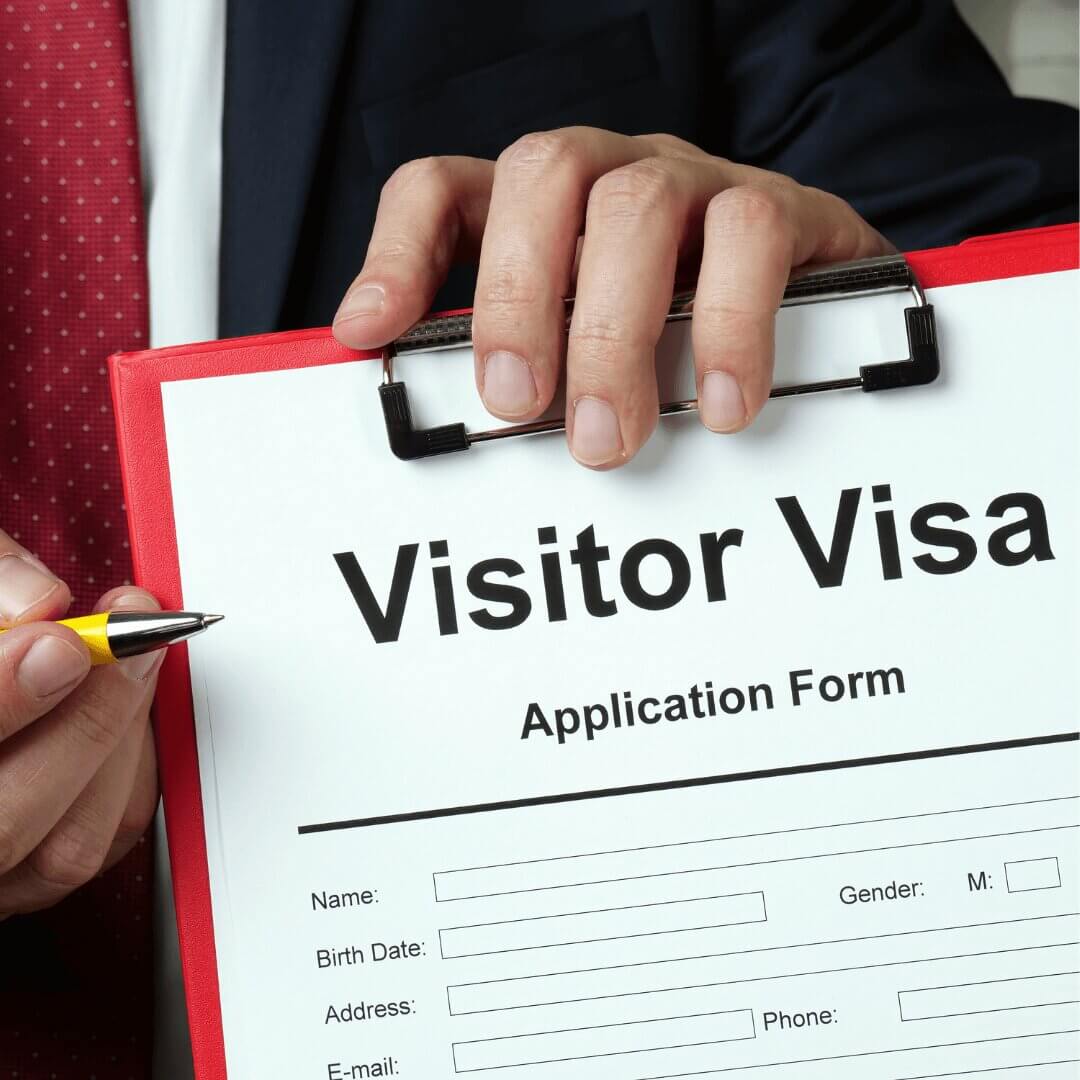
It usually starts with something innocent.
You fall in love with Hanoi’s café culture. You book a last-minute beach escape in Phu Quoc. You misread your visa expiration date by a day—or three. Then suddenly, you’re at the airport check-in counter, heart pounding, wondering if that extra week just turned into a major problem.
Overstaying your visa in Vietnam isn’t the end of the world. But it’s not something you want to shrug off either.
Here’s what American travelers need to know.
If you overstay your visa in Vietnam, you’ll typically be required to pay a fine when you exit the country.
The amount depends on how long you’ve overstayed. For short overstays—think a few days—the penalty is usually manageable and handled at the airport or immigration office.
Longer overstays can trigger steeper fines and additional scrutiny.
Key takeaway:
Immigration officers have discretion, which means your experience may vary. Staying calm, polite, and cooperative goes a long way.
If the overstay stretches into weeks or months, things can escalate.
Possible consequences include:
For most short-term travelers, a small miscalculation won’t spiral into deportation drama. But extended overstays can flag your passport in the system.
And that’s not the kind of travel souvenir anyone wants.
If you realize your visa is about to expire—or already has—don’t panic. You may be able to address the issue before heading to the airport.
Options can include:
Extensions aren’t guaranteed and policies change, so timing matters. The earlier you deal with it, the smoother the process tends to be.
Pro tip: Don’t wait until your departure morning to sort it out.
Vietnam offers different visa types for U.S. travelers, including e-visas with clearly defined validity dates. The confusion often comes from mixing up:
Double-check your visa stamp when you arrive. Set a calendar reminder on your phone a few days before it expires. It sounds simple, but jet lag and beach days have a way of blurring timelines.
If you’re planning to stay longer than originally intended, look into extension options early.
Overstaying your visa in Vietnam isn’t a rite of passage—it’s a paperwork problem waiting to happen.
For short overstays, it’s usually a fine and a firm reminder to watch the calendar. For longer ones, the consequences can ripple into future travel plans.
Vietnam is welcoming, vibrant, and endlessly worth exploring. A little administrative diligence keeps your trip memorable for the right reasons—like sunset scooters and iced coffee—not immigration counters and unexpected fees.
When in doubt, check your dates. Your future self at the airport will thank you.
Information
Follow Us
Payment channels