No products in the cart.
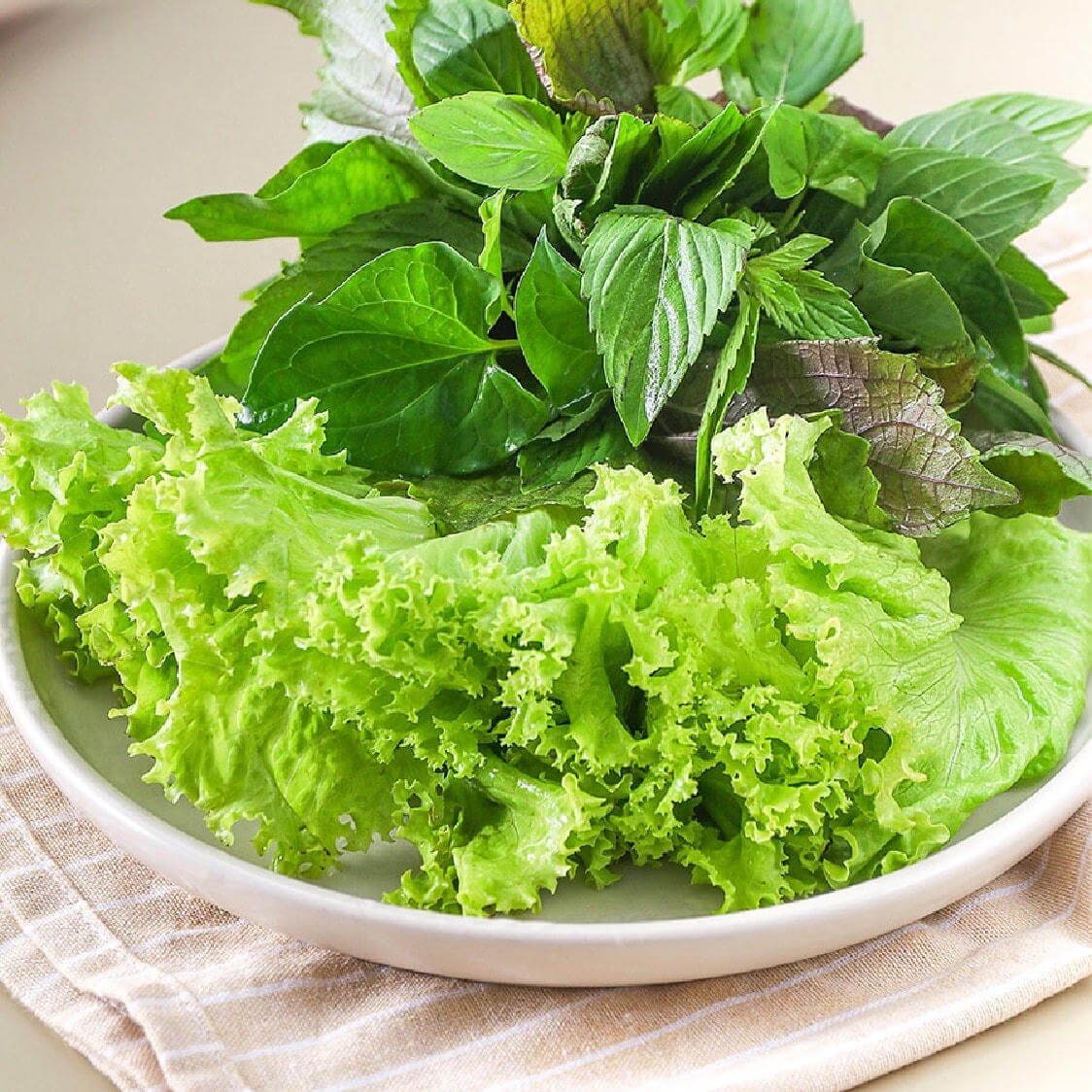
The first thing you notice isn’t what’s missing—it’s what’s overflowing.
Plates piled high with fragrant herbs. Bowls of silky noodles. Crispy spring rolls crackling as you bite in. When most Americans think of Vietnamese food, they picture pho simmered with beef bones or bánh mì stuffed with pâté. Fair enough. But here’s the twist: traveling Vietnam as a vegetarian—or even fully vegan—is far easier than you’d expect.
In fact, it can feel like hitting the culinary jackpot.
Vietnam has a long-standing Buddhist influence, and with it comes a robust culture of vegetarian cooking known as “chay.” On certain days of the lunar month, many locals eat meat-free, and entire restaurants cater exclusively to plant-based diners.
That means you’ll find:
The key word to know is “chay.” Spot it on a sign, and you’re in good hands.
In cities like Hanoi and Ho Chi Minh City, vegetarian restaurants range from humble, cafeteria-style spots to stylish modern cafés serving vegan pho and jackfruit “pork” bánh mì.
Vietnamese cuisine is built around fresh produce and bold flavor. Even traditional meat-based dishes rely heavily on herbs, pickled vegetables, rice noodles, and broth.
Take a stroll through a market and you’ll see mounds of Thai basil, mint, cilantro, water spinach, lotus root, green papaya. The palette is vibrant, the textures layered.
Some go-to vegetarian and vegan dishes include:
And yes, it’s all deeply flavorful. Vietnamese cooking leans on fish sauce in many dishes, but vegetarian spots swap it out for soy-based alternatives. You won’t feel like you’re missing anything.
Street food is the heartbeat of Vietnam, and you don’t have to sit it out.
Look for vendors offering tofu-filled bánh mì or noodle soups labeled “chay.” In bigger cities, plant-based street stalls are increasingly common. If you’re unsure, a simple phrase—“Tôi ăn chay” (I eat vegetarian)—goes a long way.
For vegans, it’s smart to clarify no egg or dairy. While traditional Vietnamese cuisine doesn’t rely heavily on cheese or butter, egg can sneak into certain dishes.
Pro tip: Download a translation card explaining your dietary needs. It makes ordering smoother and shows respect for local cooks.
The beauty of eating vegetarian or vegan in Vietnam is that it rarely feels like a compromise. You’re not hunting for the one safe item on the menu. You’re choosing from an abundance.
From bustling city cafés to serene temple-side eateries, plant-based food here is thoughtful, varied, and deeply rooted in tradition.
Traveling through Vietnam as a vegetarian or vegan doesn’t mean missing out on the country’s culinary magic. If anything, it invites you to taste it from a different angle—one packed with herbs, color, and creativity.
And after a bowl of steaming vegetarian pho on a rainy Hanoi afternoon, you might find yourself wondering why eating this way ever felt complicated in the first place.
Information
Follow Us
Payment channels