No products in the cart.

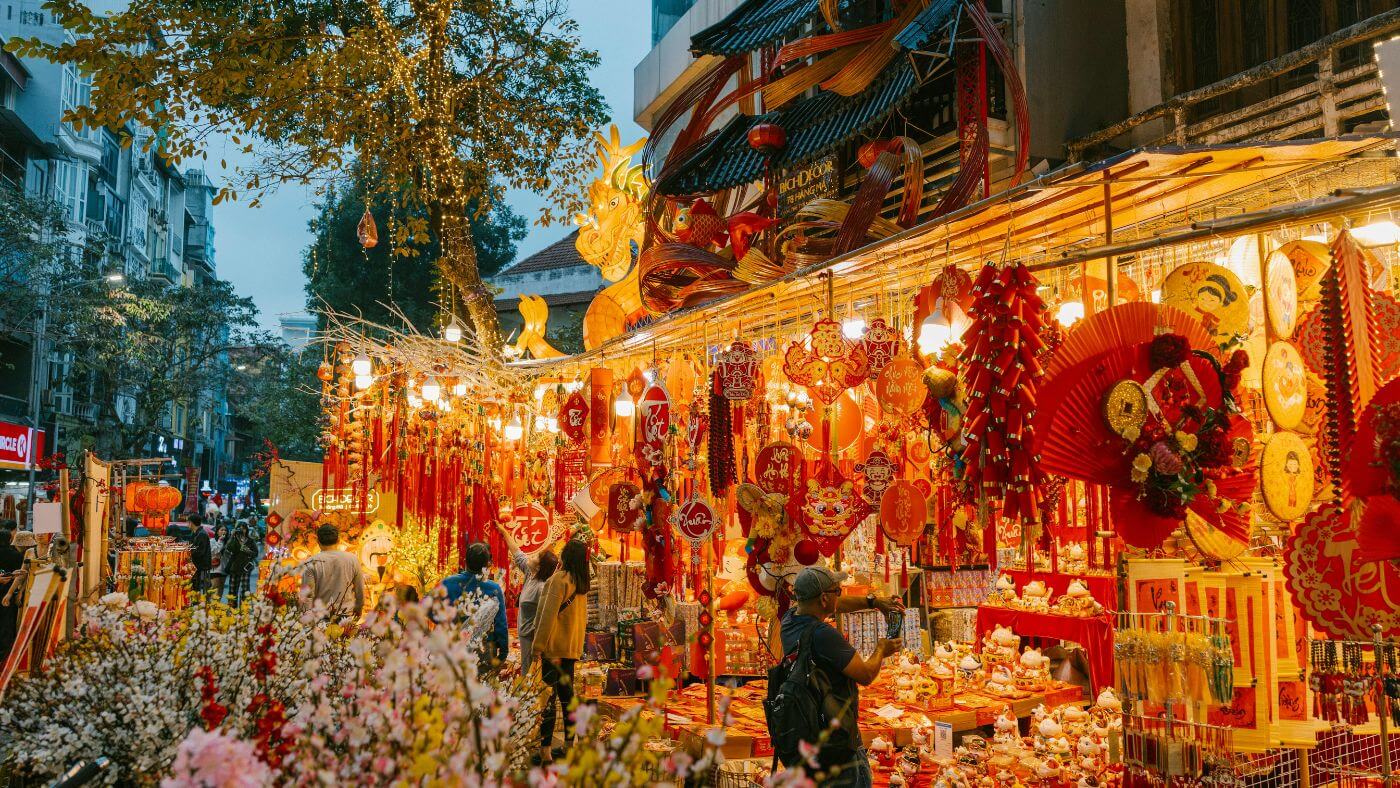
In Vietnam, Tet is not just a holiday — it is a national reset.
Known formally as Tet Nguyen Dan (Lunar New Year), this celebration marks the arrival of spring based on the lunar calendar. But beyond fireworks and festive meals, Tet represents renewal, gratitude, and the enduring strength of family bonds. For many Vietnamese, it is the most meaningful time of the year.
Weeks before Tet, cities begin to shift. Markets overflow with kumquat trees, peach blossoms, and red decorations symbolizing luck and prosperity. Migrant workers, students, and professionals travel home in one of the largest annual migrations in the country.
In bustling hubs like Hanoi and Ho Chi Minh City, streets grow quieter as families reunite in ancestral hometowns. Tet is fundamentally about togetherness — honoring elders, sharing meals, and welcoming a fresh start.
The first visitor to a home in the new year is carefully chosen, as it is believed they influence the household’s fortune for the coming months.
Spirituality plays a central role. Homes are thoroughly cleaned before the holiday to sweep away bad luck, but cleaning stops once the new year begins — symbolizing that good fortune should not be “swept out.”
Family altars are adorned with fruit trays, incense, and traditional dishes offered to ancestors. This ritual reflects Vietnam’s long-standing practice of ancestor veneration — a cultural cornerstone that emphasizes continuity between generations.
In historic cities such as Hue, where imperial traditions remain deeply rooted, ceremonial aspects of Tet feel especially profound.
Tet cuisine is rich with symbolism.
Preparing these dishes is often a communal effort, reinforcing family bonds. The act of cooking together can be as meaningful as the meal itself.
Flowers and plants are essential. In northern Vietnam, pink peach blossoms dominate, while the south favors bright yellow apricot flowers. Kumquat trees heavy with fruit symbolize abundance.
Lion dances animate the streets of cities like Hoi An, where lantern-lit alleys glow with red banners and festive music. Children receive red envelopes filled with “lucky money,” a gesture wishing health and success in the year ahead.
For travelers, Tet can be both enchanting and surprising. Some businesses close for several days, and transportation becomes busy. Yet witnessing Tet offers unparalleled insight into Vietnam’s cultural identity.
It is a moment when modern life pauses and tradition takes center stage. Family values, spiritual reflection, gratitude, and optimism intertwine.
Tet is not merely a New Year celebration.
It is Vietnam’s collective heartbeat — a time when the past is honored, the present is cherished, and the future is welcomed with hope.
Information
Follow Us
Payment channels